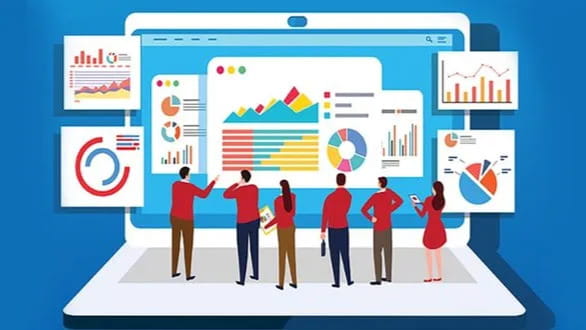
The Power of Data Analytics in Publishing: Unlocking Insights for Success
The publishing industry is undergoing a digital transformation, and data analytics is playing a crucial role in navigating this evolving landscape. From understanding reader preferences to optimizing marketing campaigns, data-driven insights are empowering publishers to make informed decisions and achieve greater success.
Understanding the Modern Reader
- Identifying Target Audiences: Data analytics helps publishers segment their audience based on demographics, reading habits, interests, and online behavior. This allows for targeted marketing campaigns and personalized recommendations, enhancing reader engagement and loyalty.
- Predicting Reader Behavior: By analyzing data on past purchases, reading history, and online activity, publishers can anticipate reader preferences and predict future trends. This valuable information can inform content strategies, guide editorial decisions, and optimize book discovery.
Optimizing Marketing Campaigns
- Measuring Campaign Effectiveness: Data analytics provides valuable insights into the performance of marketing campaigns across various channels, including social media, email marketing, and online advertising. By tracking key metrics such as click-through rates, conversion rates, and return on investment (ROI), publishers can identify what's working and make necessary adjustments to maximize campaign impact.
- Personalized Recommendations: Leveraging data on individual reader preferences, publishers can deliver highly personalized recommendations for books, authors, and other relevant content. This personalized approach enhances the reader experience and increases the likelihood of book purchases.
Improving Operational Efficiency
- Streamlining Production Processes: Data analytics can be used to optimize production workflows, identify bottlenecks, and improve efficiency. For example, analyzing sales data can help publishers determine the optimal print runs for different titles, minimizing waste and maximizing profitability.
- Predicting Sales Trends: By analyzing historical sales data, market trends, and competitive landscape, publishers can forecast future sales trends. This information is invaluable for inventory management, production planning, and strategic decision-making.
Enhancing the Reader Experience
- Personalized Reading Experiences: Data analytics can be used to create personalized reading experiences for individual readers. For example, publishers can offer customized reading lists, suggest books based on reading history and preferences, and even tailor the reading experience itself through interactive features and personalized content.
- Improving Customer Service: By analyzing customer feedback and support requests, publishers can identify common pain points and improve customer service. This can lead to greater customer satisfaction and loyalty.
Data analytics is no longer a luxury for publishers; it's a necessity. By harnessing the power of data, publishers can gain deeper understanding of readers, optimize marketing efforts, improve operational efficiency, and ultimately achieve greater success in the competitive publishing landscape. As the industry continues to evolve, the role of data analytics will only become more critical in driving innovation and ensuring long-term growth.